How to use this result
Changing five things at once makes the next morning impossible to interpret. This experiment creates a seven-night sequence where one main bedroom cue changes while the rest of the routine stays boring and repeatable.
It is useful after a single calculator result because it turns the advice into a small test. Night one is the baseline, nights two to four repeat the change, and nights five to seven check whether the pattern is stable or just random.
Keep notes simple: light level, phone boundary, room feel, window moisture and wake quality.
Run the tool, choose one change, repeat it for two or three nights, then compare the room notes. A repeated pattern is more useful than one perfect-looking number.
Bedroom sleep context
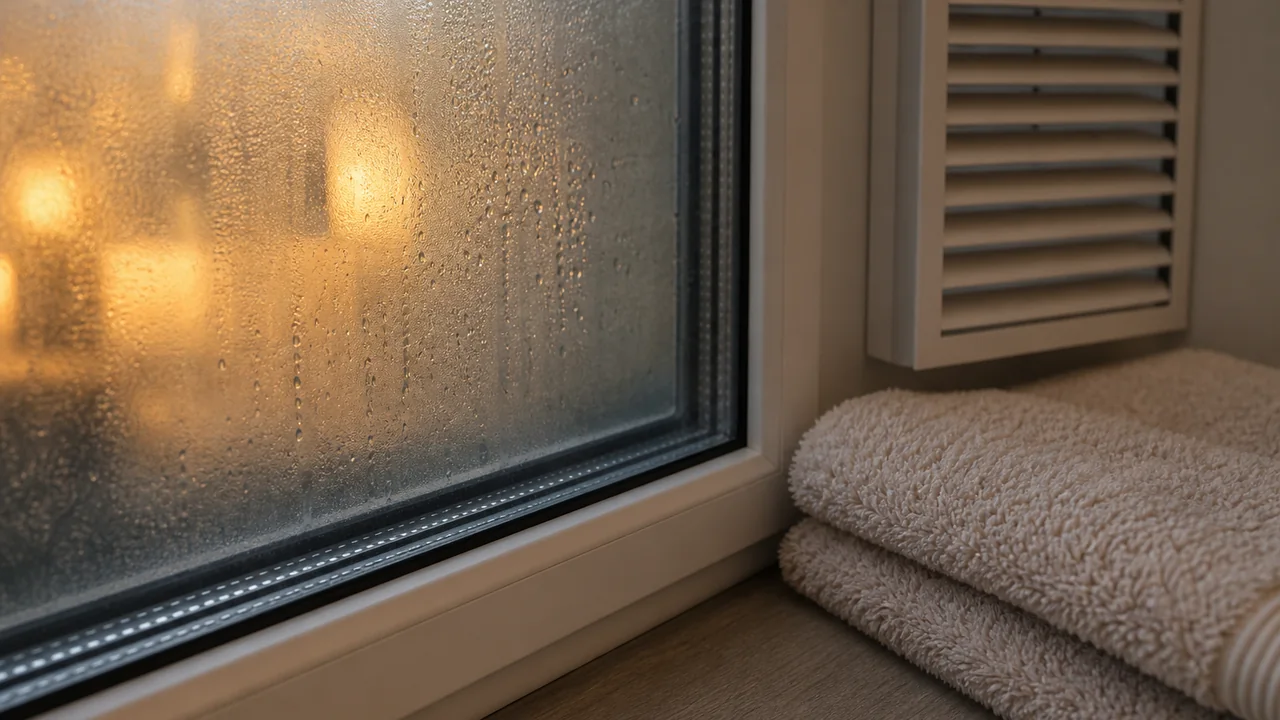
This page is in the humidity and condensation cluster. It treats morning window moisture as a clue to repeat, compare and test, not as proof of a hidden building problem. The practical question is whether moisture sources, cool glass, limited ventilation or overnight occupancy are creating the same pattern most mornings.
Practical inputs to compare: Use room temperature, relative humidity, sleepers, window condition and moisture sources as the working measurements.
How to read the result: Treat these inputs as a bedroom pattern, not a one-night verdict. If the same cue shows up on several ordinary nights, the next change is easier to choose and easier to reverse if it does not help.
- relative humidity
- dew point
- condensation
- window glass
- moisture source
- ventilation
- drying clothes indoors
- stale bedroom air
Keep it narrow: Do not change lamp type, screen cut-off, bedding, window opening and wake time on the same night. Hold the other cues steady so the page stays linked to one room question.