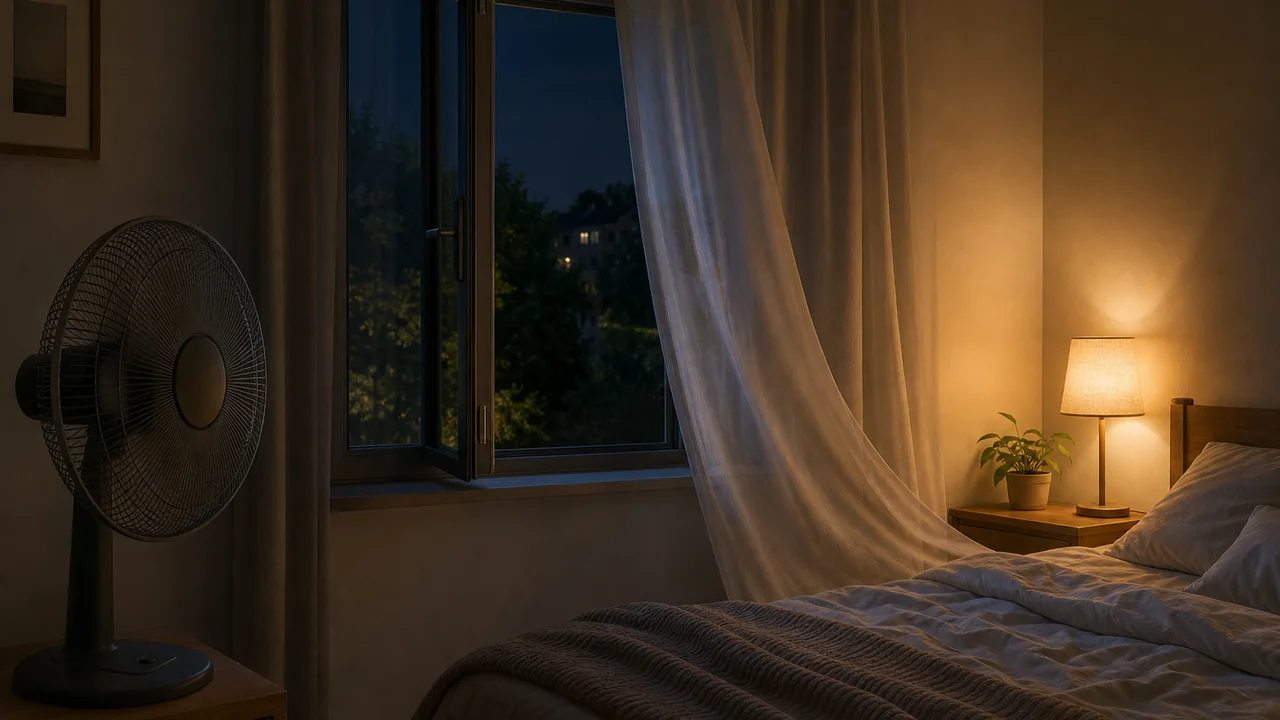
Airflow can improve a stuffy bedroom, but the goal is not always an open window all night. Noise, cold draughts and security can make that unrealistic.
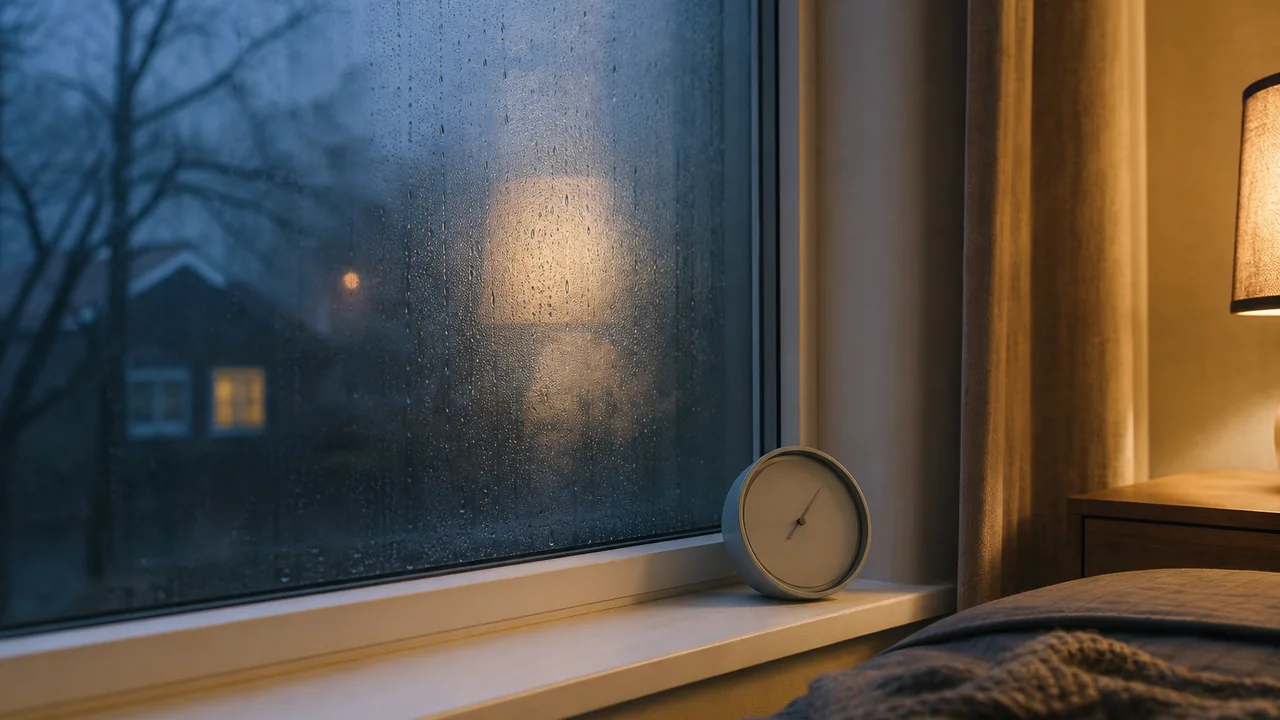
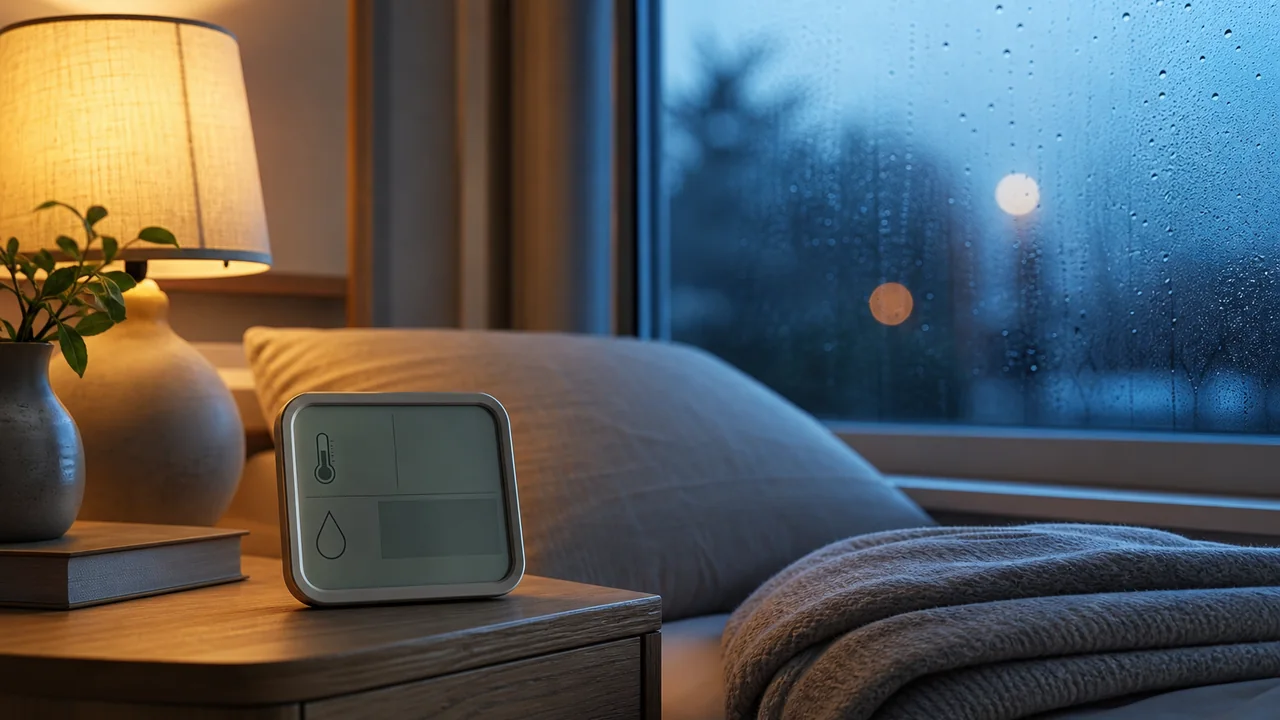
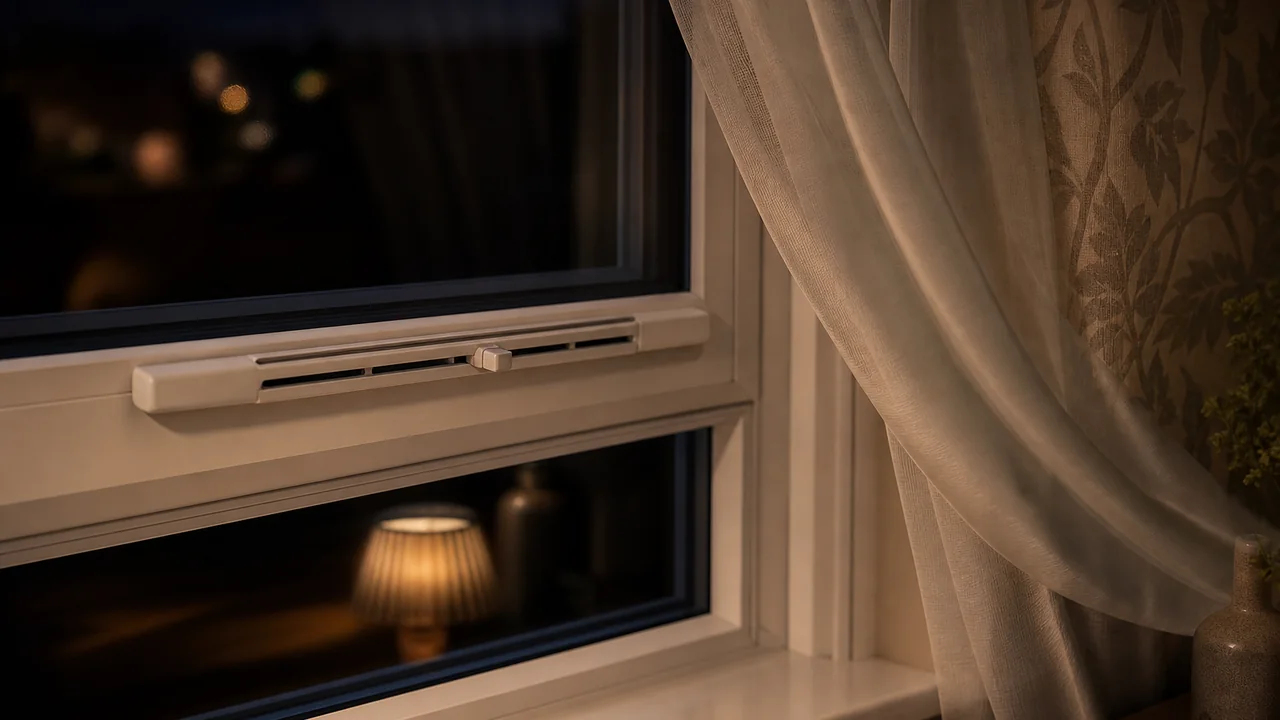
A useful pattern is pre-bed ventilation, a small opening or trickle vent where suitable, and gentle air movement away from the face. If condensation is heavy, record whether the change affects the morning glass.
The right setup is the smallest one that improves the room without making sleep lighter.
Where this guide fits
This page belongs to the airflow cluster. It separates useful fresh-air exchange from a draughty or noisy setup that makes sleep lighter. For many bedrooms the best test is earlier ventilation and a smaller overnight opening rather than leaving everything open.
Practical inputs to compare: Record window setting, noise, draught feel, morning glass and whether the room felt fresher.
How to read the result: Treat these inputs as a bedroom pattern, not a one-night verdict. If the same cue shows up on several ordinary nights, the next change is easier to choose and easier to reverse if it does not help.
- airflow
- ventilation
- trickle vent
- window opening
- stale air
- draught
- fan direction
- noise
Keep it narrow: Do not change lamp type, screen cut-off, bedding, window opening and wake time on the same night. Hold the other cues steady so the page stays linked to one room question.
If the same bedroom pattern repeats for several nights, compare the relevant category at National Heater Shops rather than changing every room variable at once.
- cooling fans
— gentle air movement - home ventilation
— fresh-air planning - ventilation equipment
— stale or damp air
What to try tonight
- Choose one cue: light, screen boundary, temperature, humidity or airflow.
- Keep the sleep target and morning note simple.
- Repeat the change before judging it.