How to use this result
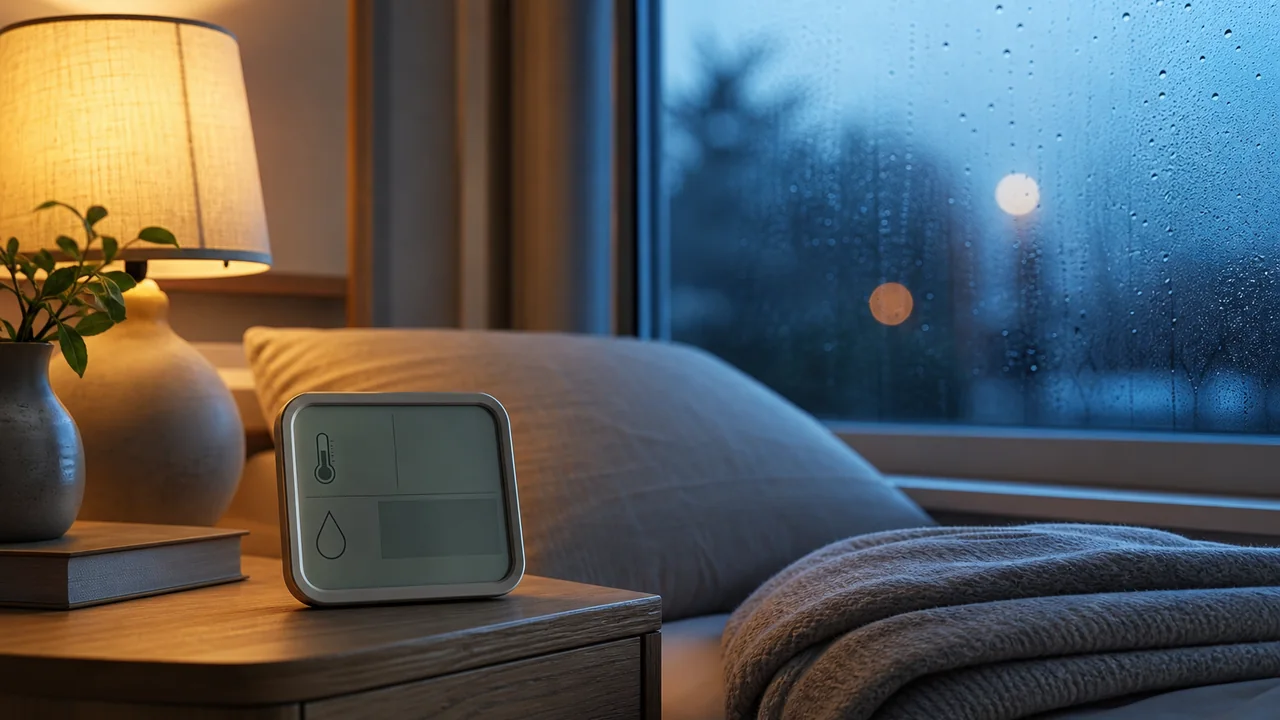
Temperature and humidity are often experienced together. A room can be cool but damp, warm and stuffy, or technically comfortable but still leave condensation on the glass.
This combined planner helps choose which variable to test first: airflow, moisture removal, pre-warming, lighter bedding or a more stable window routine. That is more useful than chasing one ideal number.
Use it when the single temperature or humidity pages do not explain the room clearly enough.
Run the tool, choose one change, repeat it for two or three nights, then compare the room notes. A repeated pattern is more useful than one perfect-looking number.
Bedroom sleep context
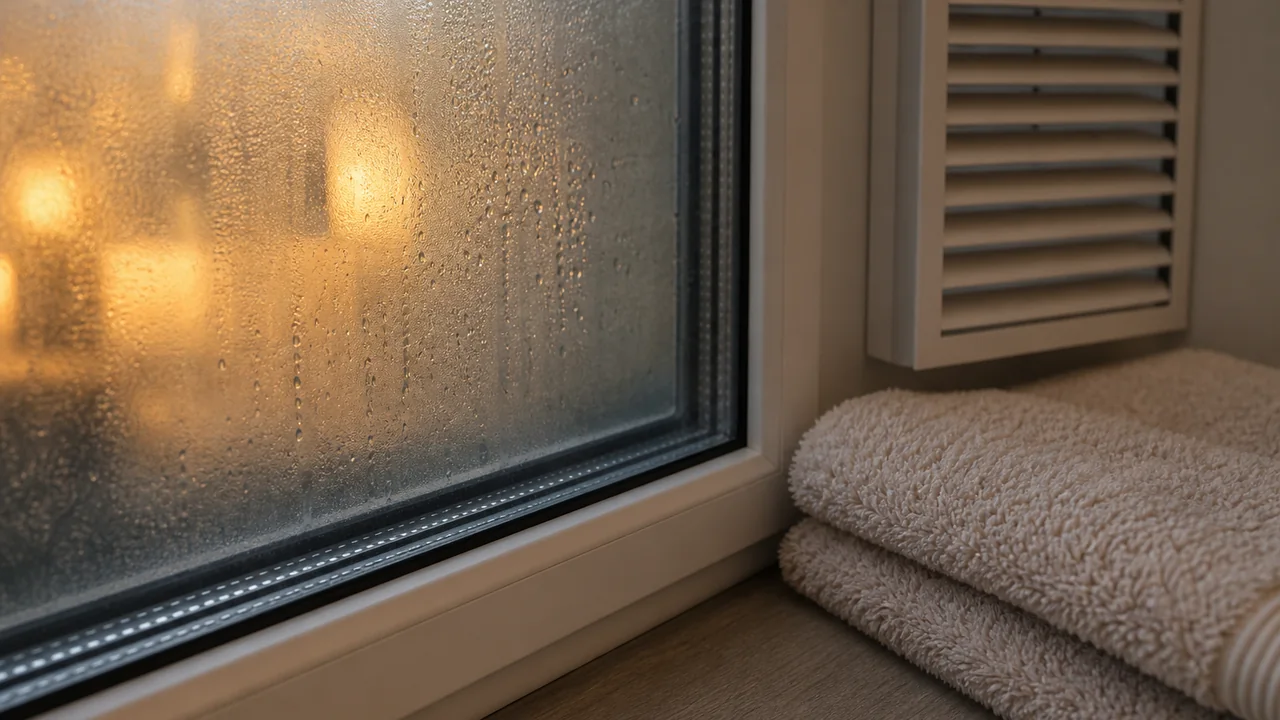
This page is in the humidity and condensation cluster. It treats morning window moisture as a clue to repeat, compare and test, not as proof of a hidden building problem. The practical question is whether moisture sources, cool glass, limited ventilation or overnight occupancy are creating the same pattern most mornings.
Practical inputs to compare: Use room temperature, relative humidity, sleepers, window condition and moisture sources as the working measurements.
How to read the result: Treat these inputs as a bedroom pattern, not a one-night verdict. If the same cue shows up on several ordinary nights, the next change is easier to choose and easier to reverse if it does not help.
- relative humidity
- dew point
- condensation
- window glass
- moisture source
- ventilation
- drying clothes indoors
- stale bedroom air
Keep it narrow: Do not change lamp type, screen cut-off, bedding, window opening and wake time on the same night. Hold the other cues steady so the page stays linked to one room question.
If the same bedroom pattern repeats for several nights, compare the relevant category at National Heater Shops rather than changing every room variable at once.
- portable electric heaters
— cold-room stability - cooling fans
— warm or stuffy rooms - home dehumidifiers
— repeated bedroom moisture - ventilation equipment
— stale or damp air