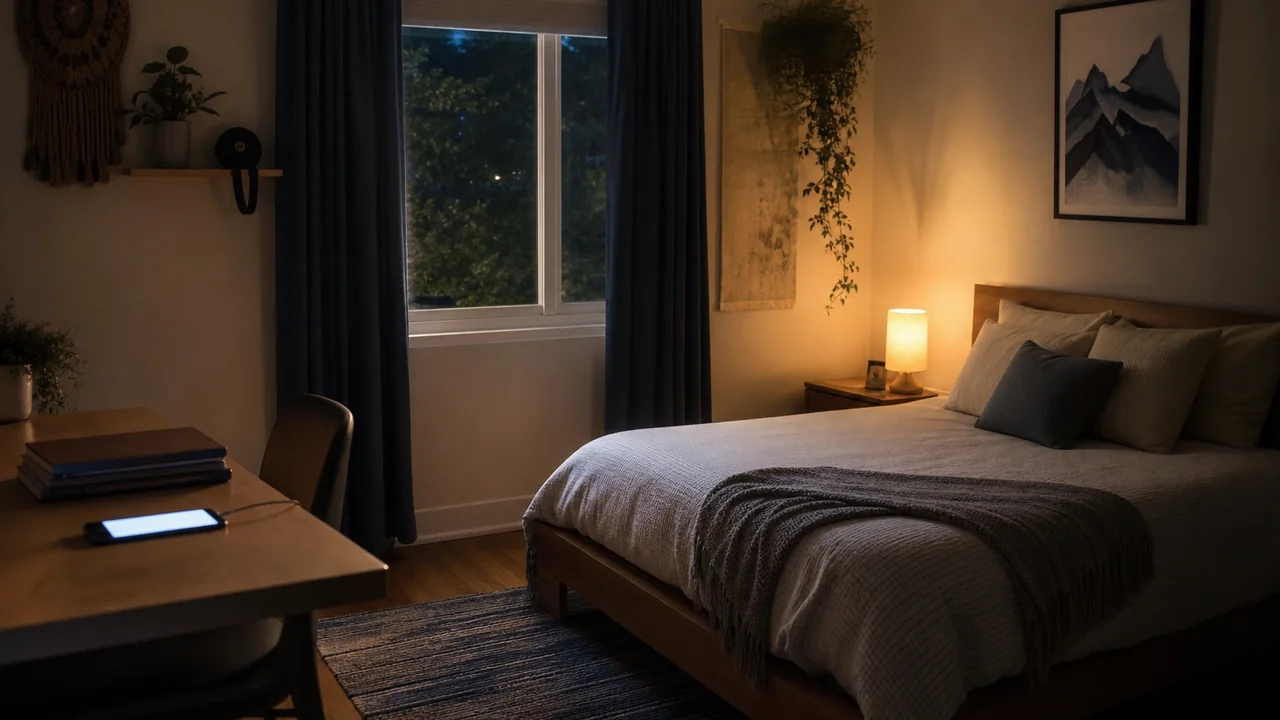
How to use this result
This checker is for older children and teens where screens, bright rooms and inconsistent routines can make the bedroom feel active at the wrong time. It is not a baby sleep tool and it does not give health advice.
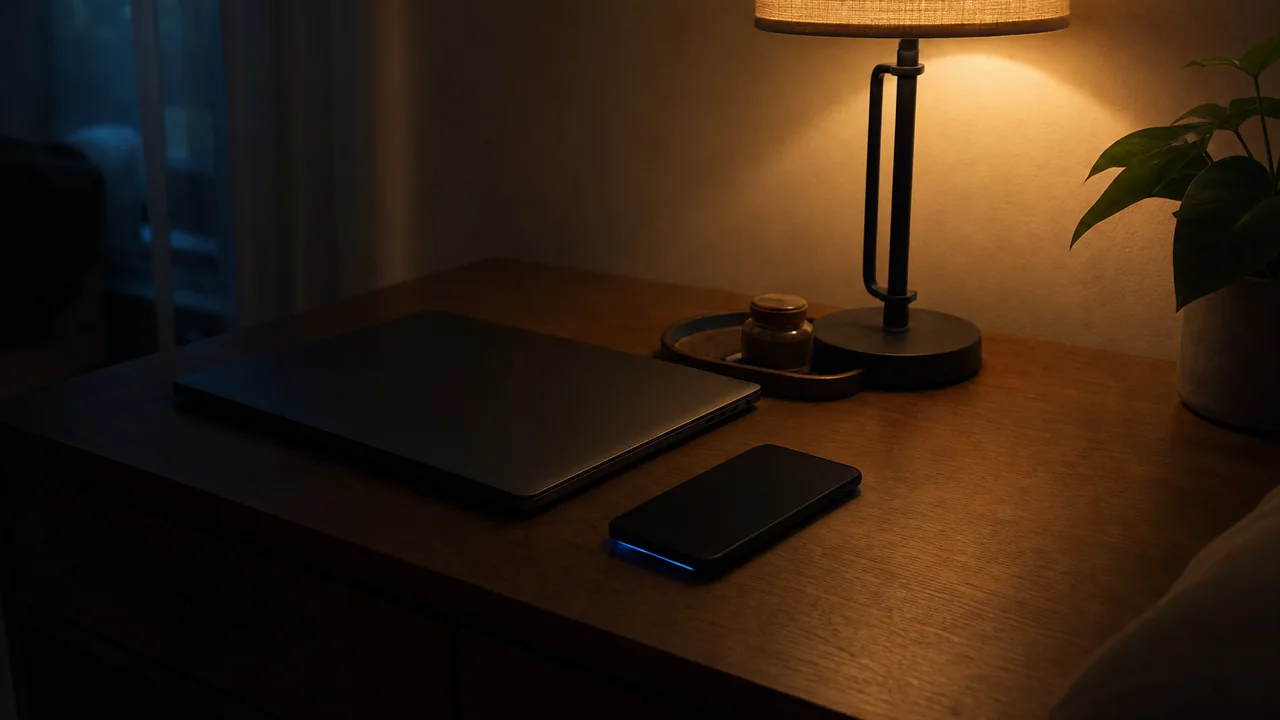
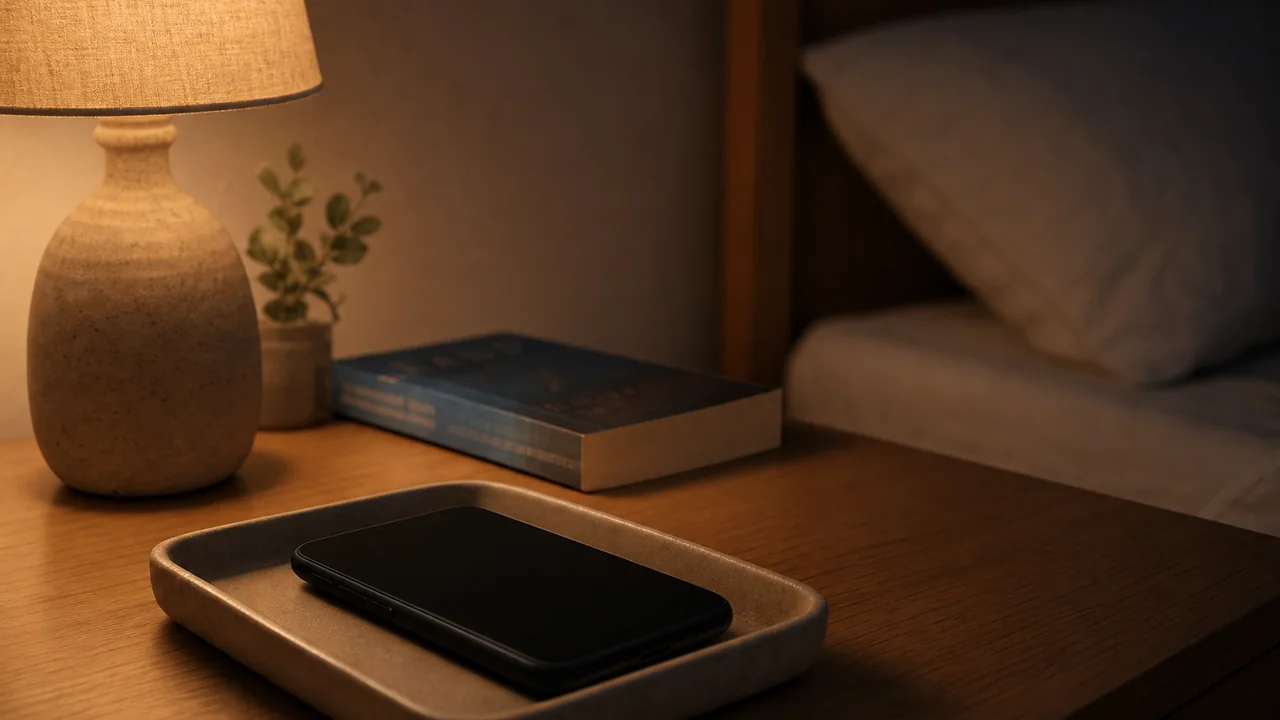
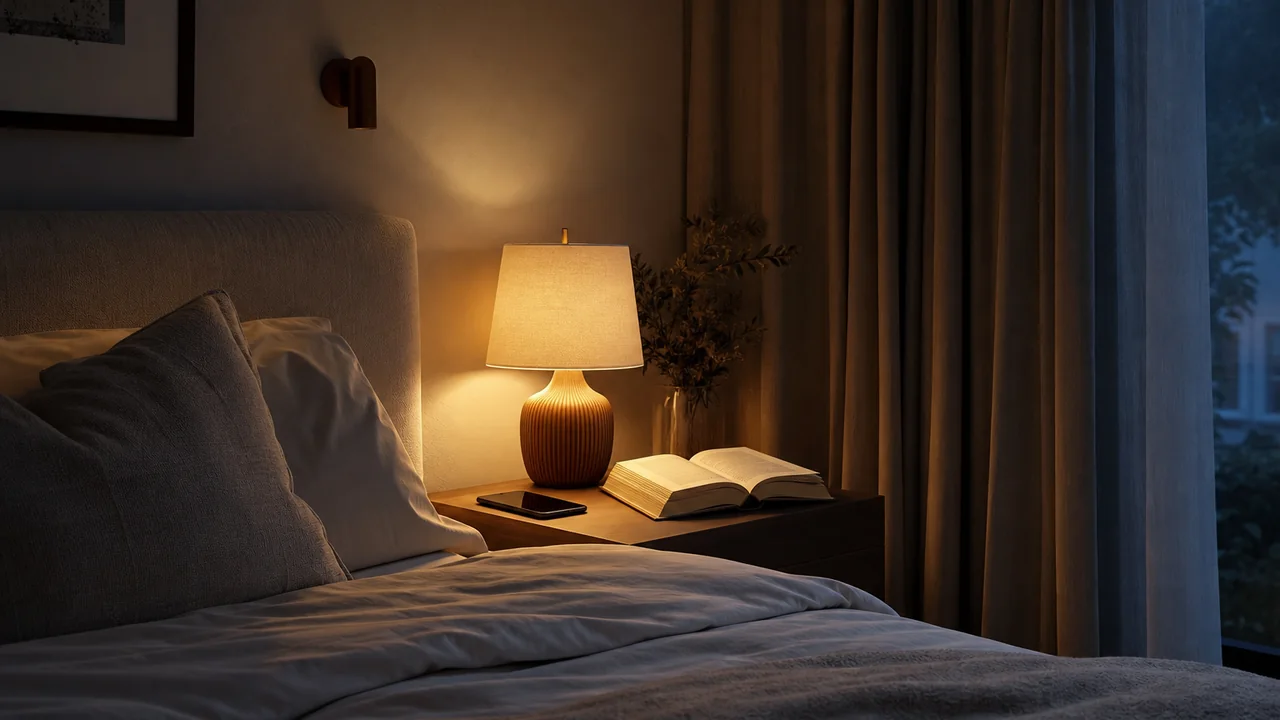
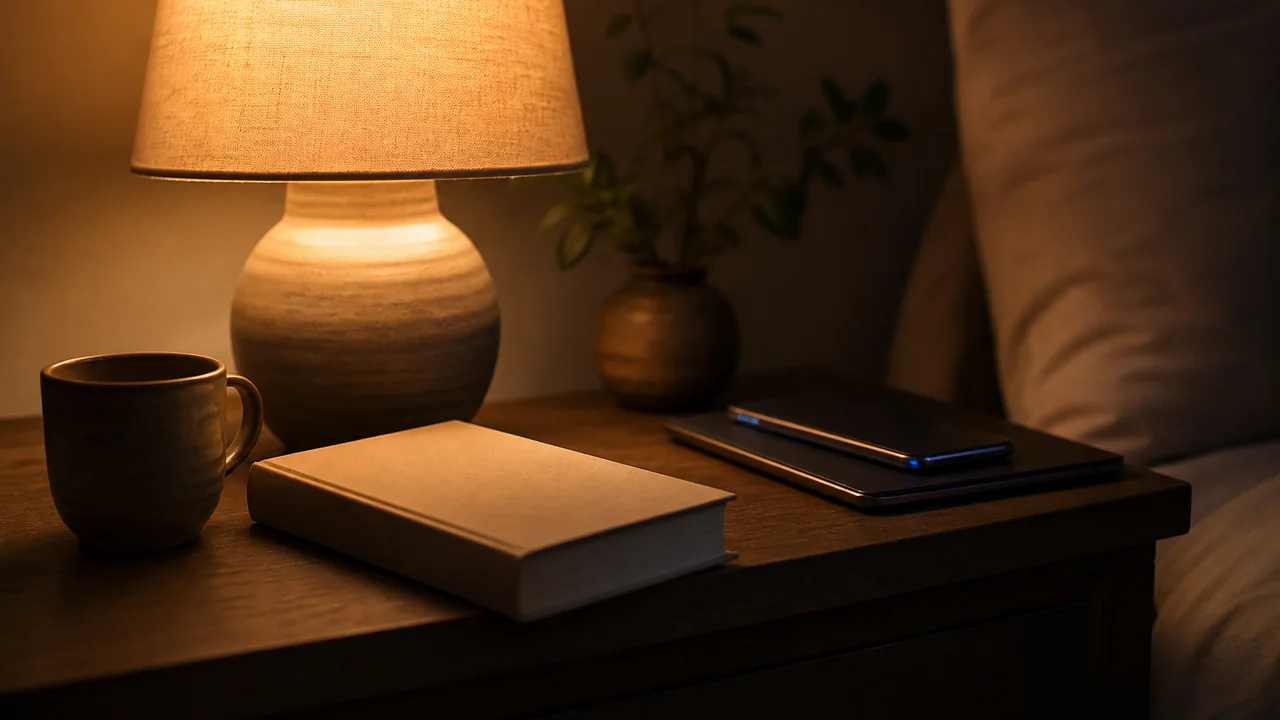
The output keeps the actions ordinary: move device charging away from the bed, use warmer lower light, check whether the room is hot, cold or stuffy, and change one cue at a time.
Parents can use the result as a short room checklist rather than another argument about bedtime.
Run the tool, choose one change, repeat it for two or three nights, then compare the room notes. A repeated pattern is more useful than one perfect-looking number.
Bedroom sleep context
This page sits in the screen-boundary cluster. It treats blue light as one part of a wider evening exposure pattern: brightness, distance, content, room light and whether the device keeps the brain in work or scrolling mode.
Practical inputs to compare: Measure hours after 7pm, device type, distance from the face, room lighting and the latest realistic stop time.
How to read the result: Treat these inputs as a bedroom pattern, not a one-night verdict. If the same cue shows up on several ordinary nights, the next change is easier to choose and easier to reverse if it does not help.
- blue light
- screen brightness
- phone distance
- night mode
- active scrolling
- screen cut-off
- close-range device use
- bedside charging
Keep it narrow: Do not change lamp type, screen cut-off, bedding, window opening and wake time on the same night. Hold the other cues steady so the page stays linked to one room question.