How to use this result
Caffeine and light are different cues, but people experience them in the same evening. A late coffee plus a bright room can make the routine feel switched on even when bedtime is near.
This planner does not calculate biology. It gives a practical last-caffeine gap and pairs it with an evening light step that is easy to repeat.
Use it to make tomorrow easier: move one drink earlier and one light cue lower.
Run the tool, choose one change, repeat it for two or three nights, then compare the room notes. A repeated pattern is more useful than one perfect-looking number.
Bedroom sleep context
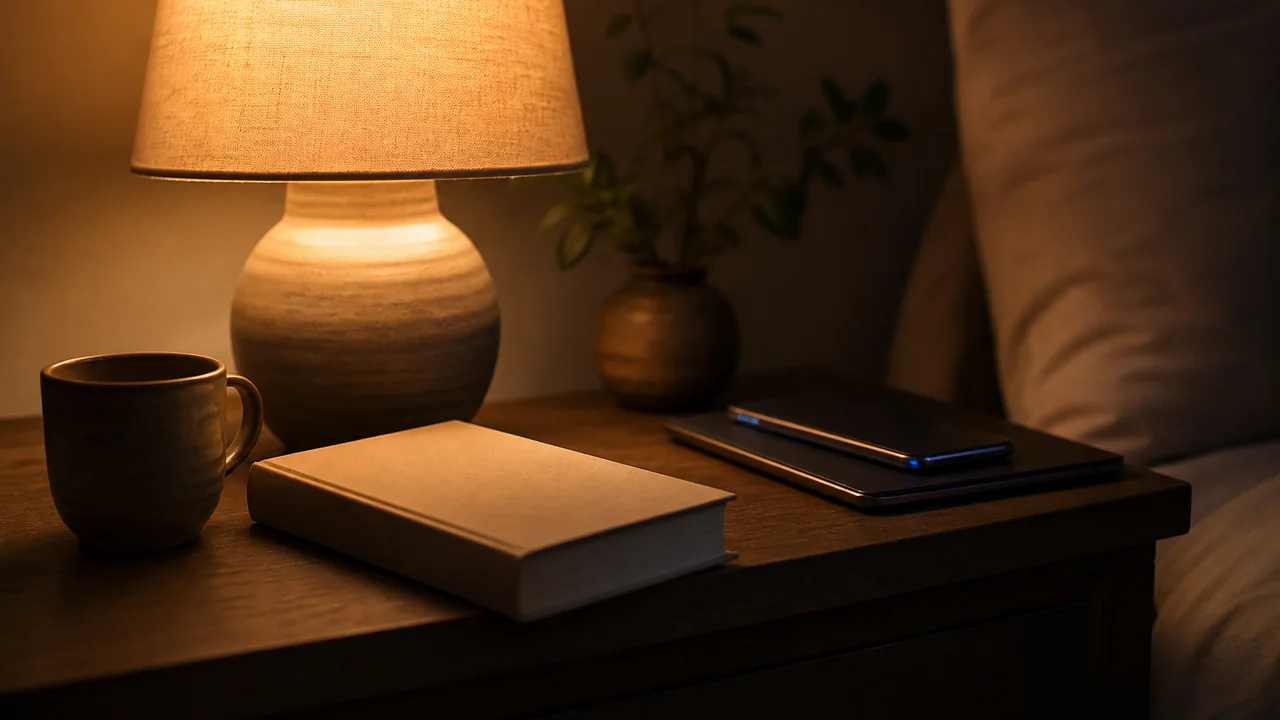
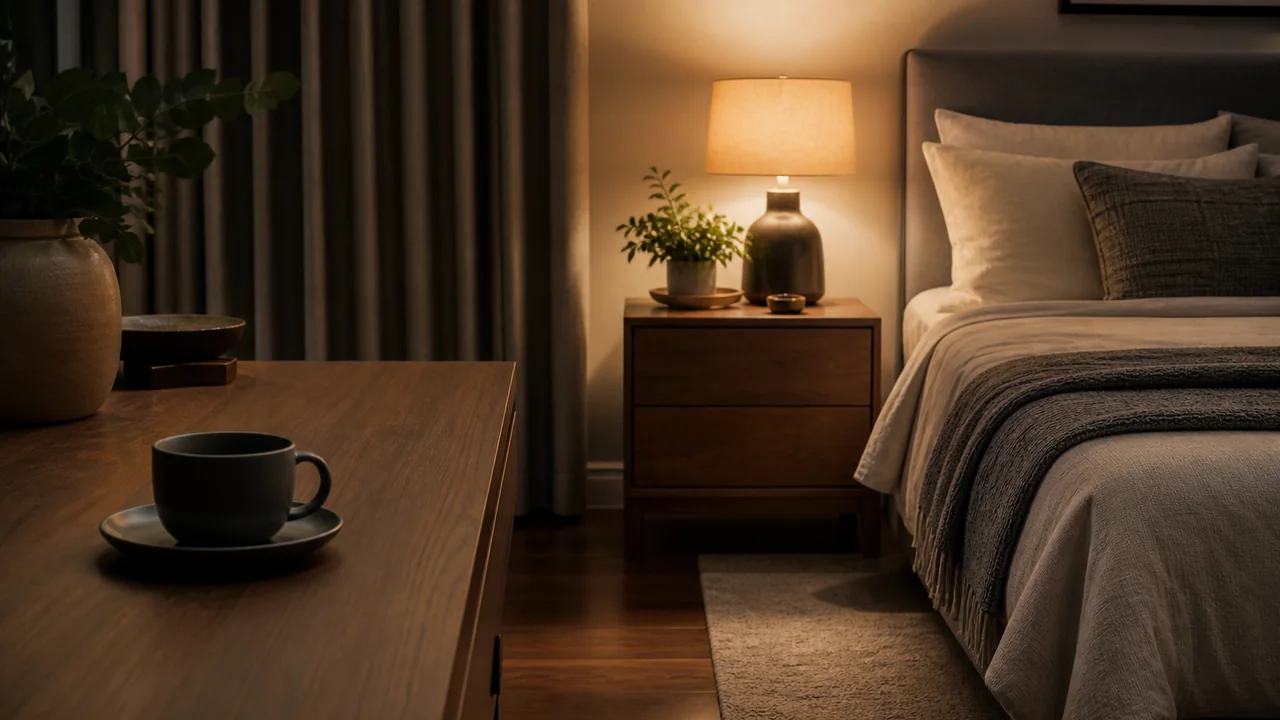
This page sits where behaviour and bedroom cues meet. It keeps caffeine timing connected to the visible evening environment, because a late drink plus a bright room can make the final hour feel switched on even when the clock says bedtime.
Practical inputs to compare: Use last caffeine time, target sleep time, sensitivity and evening room light as the planning inputs.
How to read the result: Treat these inputs as a bedroom pattern, not a one-night verdict. If the same cue shows up on several ordinary nights, the next change is easier to choose and easier to reverse if it does not help.
- last caffeine
- sleep latency
- evening alertness
- warm lamp
- ceiling light
- routine consistency
- sensitivity
- bedtime target
Keep it narrow: Do not change lamp type, screen cut-off, bedding, window opening and wake time on the same night. Hold the other cues steady so the page stays linked to one room question.