How to use this result
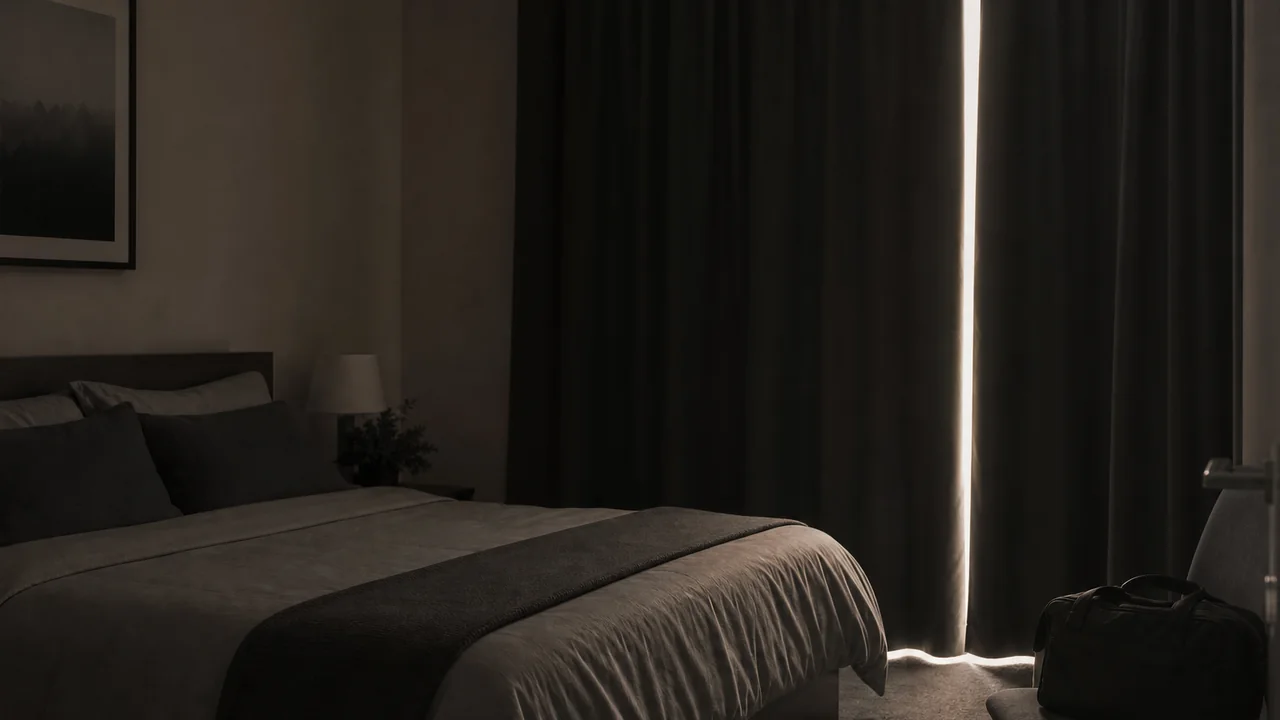
Shift work makes light timing practical rather than aesthetic. The plan focuses on the handover between work and protected sleep: what happens on the way home, how quickly the room becomes dark, and when wake light should start the next day.
The planner avoids heroic routines. A safe commute, a boring route home, a dark bedroom and one wake anchor are usually more useful than a long checklist that collapses after two shifts.
Treat it as personal routine planning, not medical sleep treatment.
Run the tool, choose one change, repeat it for two or three nights, then compare the room notes. A repeated pattern is more useful than one perfect-looking number.
Bedroom sleep context
This page sits in the protected-sleep cluster for shift work and travel. The goal is not a perfect routine; it is a safe handover from work or travel into a bedroom that supports the next sleep block.
Practical inputs to compare: Use shift end time, sleep-block start, wake target, light exposure on the way home and bedroom darkness.
How to read the result: Treat these inputs as a bedroom pattern, not a one-night verdict. If the same cue shows up on several ordinary nights, the next change is easier to choose and easier to reverse if it does not help.
- night shift
- daytime sleep
- commute light
- dark bedroom
- wake anchor
- jet lag
- clock shift
- travel fatigue
Keep it narrow: Do not change lamp type, screen cut-off, bedding, window opening and wake time on the same night. Hold the other cues steady so the page stays linked to one room question.